All across Africa, cities are changing fast. Skyscrapers are rising, roads are expanding, and once quiet neighbourhoods are now full of movement. People are arriving from villages and small towns every day, looking for jobs, better schools, and a chance to build a life. By the middle of this century, more than half of Africa’s population will live in urban areas.
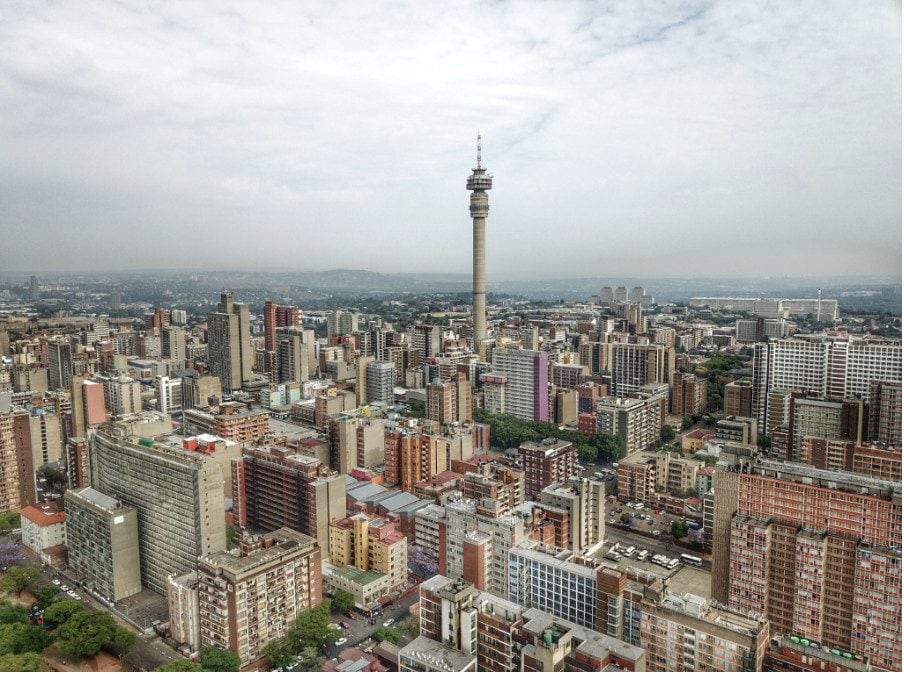
But behind the excitement of this urban boom is a quieter, more difficult reality: How do we grow without losing what matters most?
The Pull of the City
For many families, the city represents hope. It means opportunity, electricity, better hospitals, and the possibility of earning enough to send children to school. Cities are where ideas take shape and where cultures meet and mix.
But they’re also where pressure builds quickly. When cities grow without a plan, the cracks show fast—traffic that doesn’t move, trash that piles up, and homes without water or toilets.
The Everyday Struggles
Take housing, for example. As more people move in, demand rises—but formal housing doesn’t keep pace. So people build where they can: on hillsides, near rivers, under power lines. These informal settlements grow fast, but they often lack the basics—clean water, sanitation, and safety.
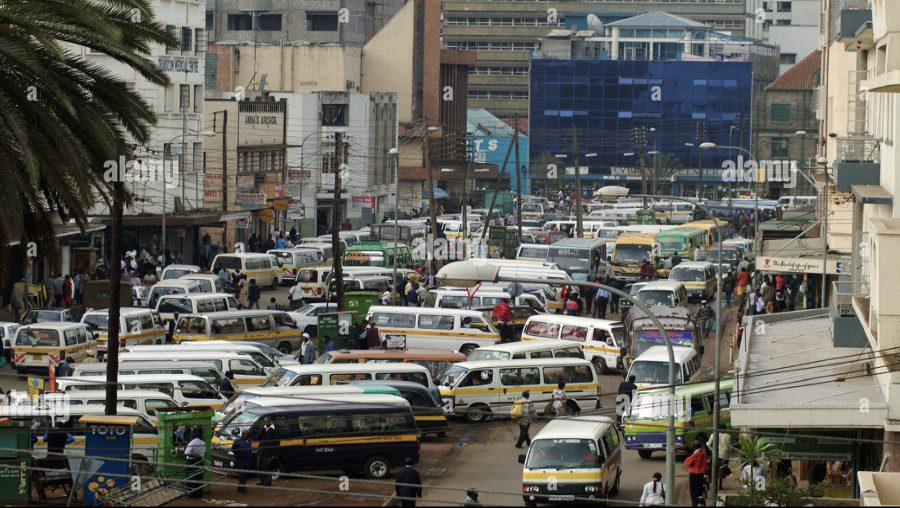
Then there’s transport. In cities like Nairobi, Lagos, or Dar es Salaam, commutes can take hours. Buses are overcrowded, sidewalks are rare, and air pollution becomes part of daily life.
And what about nature? Trees get cut down for roads. Wetlands are filled in for buildings. Open spaces for kids to play or people to gather are paved over. Slowly, the things that make life joyful and livable begin to disappear.
What’s Being Done
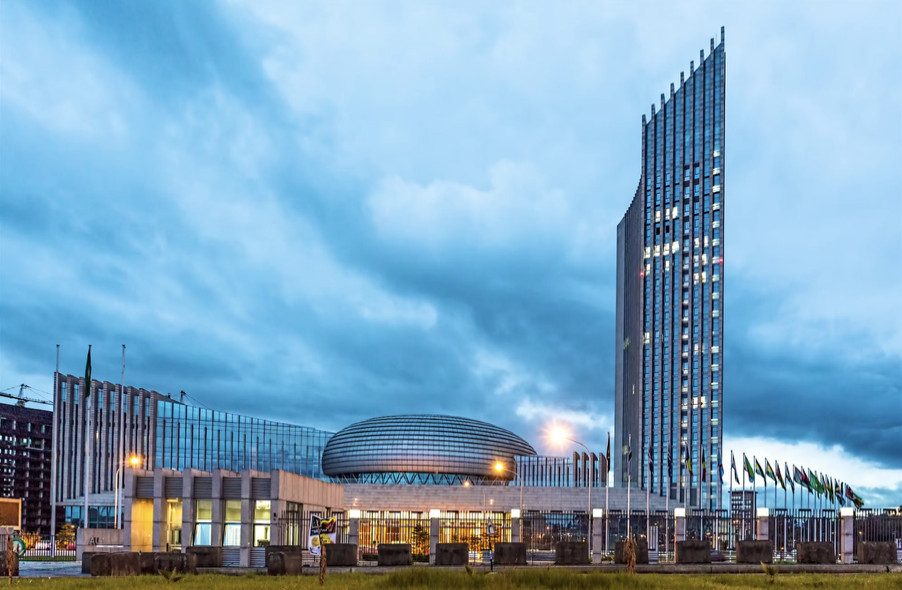
Despite the challenges, many African cities are trying to grow differently. Kigali, Rwanda’s capital, has banned plastic bags, built parks, and promoted cleanliness as a shared civic value. Addis Ababa is investing in light rail. In Cape Town, community gardens are popping up in unexpected places.
Some cities are even learning from tradition—bringing back shared courtyard spaces, promoting the use of local materials in construction, and planting trees where they were once lost.
And across the continent, young people are stepping in:
● Developing apps to report broken infrastructure.
● Designing solar-powered streetlights.
● Starting recycling businesses in their neighbourhoods.
● Mapping informal areas to make them visible to policymakers.
Change isn’t just coming from the top—it’s happening on the ground, every day.
Looking Ahead
The truth is, there’s no one-size-fits-all answer. Every city has its own rhythm, its own history, its own hopes. But some things are universal: people want safety, dignity, connection, and a clean environment.
As Africa’s cities grow, the goal should not be to become copies of places elsewhere. The goal should be to build cities that reflect the continent’s own values, creativity, and spirit—cities that care for their people and the land they stand on.
Urban growth is not just about more buildings or wider roads. It’s about how people live together, how they move, how they breathe, how they care for one another and the planet.
Africa’s future is urban—that much is clear. But it’s up to all of us to decide what kind of urban future we want to create. One where no one is left behind. One where green spaces and shared streets matter. One that grows, yes—but never forgets what makes a city feel like home.


